Blinker Vape: What It Means, How It Works, and What to Know
Wiki Article
The term blinker vape has become increasingly common in online vaping and cannabis conversations. Despite sounding such as the name of a particular device, a "blinker" usually describes a vaping technique rather than a specific kind of vape.
Understanding what the blinking light means, why devices have automatic cutoff systems, and what risks go along with very long draws may help readers make more informed decisions about vaping.
## What Is a Blinker Vape?
A **blinker vape** generally is the term for a vape device being utilized until its LED indicator begins blinking along with the device automatically stops producing vapor.
The blinking light is commonly connected to an automated puff-time cutoff. The exact cutoff varies by device. Some current vape hardware uses an approximately eight- to ten-second limit, while other devices may have different settings. There is therefore no universal "blinker" duration.
Importantly, a blinker is generally **an action as opposed to a special type of vape**. The same terminology works extremely well with disposable devices, cartridge-and-battery systems, and several nicotine or cannabis vapes.
## Why Does a Vape Blink?
The LED doesn't invariably mean something is wrong. During a particularly long draw, the blinking light may suggest that the device has reached its programmed maximum activation time.
Automatic cutoff systems can help limit the times of day the heating unit remains active. Depending on the device, however, blinking could also indicate other conditions such like a low battery, connection problem, or hardware fault.
If the sunlight starts blinking unexpectedly during normal use, checking the manufacturer's instructions is often a better approach than assuming it is really a normal cutoff.
## Why Are Blinkers Popular?
Blinkers have become part of vaping culture partly for the reason that blinking light creates a clear endpoint. Social media has also helped turn long draws in to a kind of challenge or demonstration.
Some people associate an extended draw which has a larger cloud or stronger effects. However, reaching these devices's cutoff does not represent a standardized dose or guarantee a selected experience.
With cannabis vapes, factors such as oil concentration, device design, airflow, temperature, and individual tolerance can all influence the end results.
## Is a Longer Draw Better?
Not necessarily.
A longer draw can expose the heating unit to heat for a longer period and could produce more aerosol. With THC-containing products, consuming a greater amount in one draw could also increase the potential for unwanted effects.
The blinking light should therefore be viewed as a **hardware cutoff as opposed to a target to chase**.
For people concerned about controlling their intake, treating the automatic cutoff being a safety feature instead of a challenge is often a more sensible approach.
## Blinker Vapes and THC
The term is particularly common in discussions of cannabis cartridges and disposable THC vapes. Because concentrated cannabis products can contain substantial numbers of THC, a long inhalation may result in a stronger-than-expected effect.
Possible negative effects from consuming too much THC may include:
* Anxiety or panic
* Dizziness
* Confusion
* Increased heartrate
* Nausea
* Impaired coordination
* Excessive drowsiness
Individual responses vary, and people who experience concerning or severe symptoms should seek appropriate medical assistance.
## Blinker Vapes and Nicotine
The term could also apply to nicotine vape devices. In this context, taking an unusually long draw may result in consuming more nicotine than intended.
Too much nicotine could cause symptoms such as nausea, dizziness, sweating, headache, and increased pulse rate. Anyone experiencing significant symptoms after nicotine exposure should seek health advice or contact an appropriate poison-control service where available.
## Hardware Considerations
Long draws are able to place additional demands on vape hardware. The heating element remains active for an extended period, potentially increasing heat around the coil and surrounding components.
Other factors that can affect device behavior include:
* Battery condition
* Coil design
* Oil or e-liquid formulation
* Airflow
* Voltage or power settings
* Device age
* Manufacturer cutoff settings
A vape that becomes unusually hot, leaks, smells abnormal, or appears physically damaged shouldn't be used.
## Why There Is No Universal Blinker Time
One common misconception is the fact that every blinker lasts the identical number of seconds.
In reality, automatic cutoff times differ among manufacturers and devices. Current examples include eight- and ten-second cutoffs, while other hardware might have longer or different limits.
This means that counting seconds isn't a reliable way to identify a blinker. The device's own behavior and manufacturer's specifications are more useful.
## How to Recognize a Potential Hardware Problem
Blinking will not always mean the unit has reached its maximum puff time.
Depending on the model, repeated blinking can often mean:
* Low battery
* Poor cartridge connection
* Short-circuit protection
* Charging problems
* Airflow problems
* Automatic puff cutoff
If a tool behaves differently from the manufacturer's instructions, stop deploying it and consult the merchandise documentation.
## Safe Storage and Handling
Regardless of whether a vape contains nicotine, cannabis, or another formulation, responsible storage is very important.
Keep vape products:
* Away from children and pets
* Away from extreme heat
* Away from direct sunlight
* In a secure location
* Protected from physical damage
Battery-powered devices ought to be charged only in accordance with the manufacturer's instructions. Damaged batteries can present fire or other safety hazards.
## Frequently Asked Questions
### Is a Blinker Vape a particular brand?
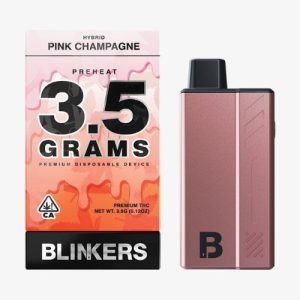
Usually, no. "Blinker" is often slang to get a maximum-length vape draw that triggers the product's automatic cutoff. There are also products and brands who use "Blinkers" in their names, so context matters.
### How long does a blinker last?
There is no universal duration. Some devices have cutoff timers around eight to ten seconds, while some use different limits.
### Why does my vape blink?
If it takes place at the end of your very long draw, the blinking might point to that the automatic cutoff has become reached. Blinking at other times can often mean a battery, connection, or hardware issue.
### Does a blinker mean a stronger vape?
No. The blinking light indicates that the device has reached its cutoff. It does not indicate product quality, potency, or perhaps a standardized dose.
### Are long vape draws risk-free?
No. Longer draws can increase contact with aerosol and, with nicotine or THC products, can boost the amount consumed. The effects depend about the substance, formulation, device, and individual.
**Blinker Vape** is most beneficial understood being a term for a good vape draw that reaches a computer's automatic cutoff, causing its indicator light to blink. It isn't necessarily a selected product or brand.
While the term has grown to be popular through vaping culture and social media, the blinking light is fundamentally a hardware signal. Cutoff times vary between devices, and blinking can sometimes indicate problems other than a long draw.
Whether researching cannabis or nicotine vapes, the most important considerations are **product transparency, device condition, responsible handling, applicable laws, and awareness of potential health effects**. Treating the device's cutoff as a safety feature—not a challenge—is a sensible approach.